Motorcycle Protectors: Level 1 or Level 2, and Do You Need a Back Protector?
In a fall, two things happen: first the impact, then the slide. The fabric of your gear is there for the slide. The protectors are there for the impact on shoulders, elbows, hips, knees and back. Most riders know their jacket's material. Far fewer know which protectors are inside it.
Where protectors sit
- Shoulders and elbows in jackets, shirts and hoodies
- Hips and knees in trousers and riding jeans
- Back in a pocket of the jacket, or as a separate protector
- Chest as an optional add-on in some jackets
Two European standards
Protectors are tested by dropping a weight onto them and measuring how much force reaches the anvil underneath. The less force gets through, the better.
| Standard | Body area | Level 1 | Level 2 |
|---|---|---|---|
| EN 1621-1 | Shoulders, elbows, hips, knees | average below 35 kN | average below 20 kN |
| EN 1621-2 | Back | average below 18 kN | average below 9 kN |
In practice: a Level 2 protector lets roughly half as much force through as a Level 1 protector. Both are certified, Level 2 is the higher protection level.
Soft protectors
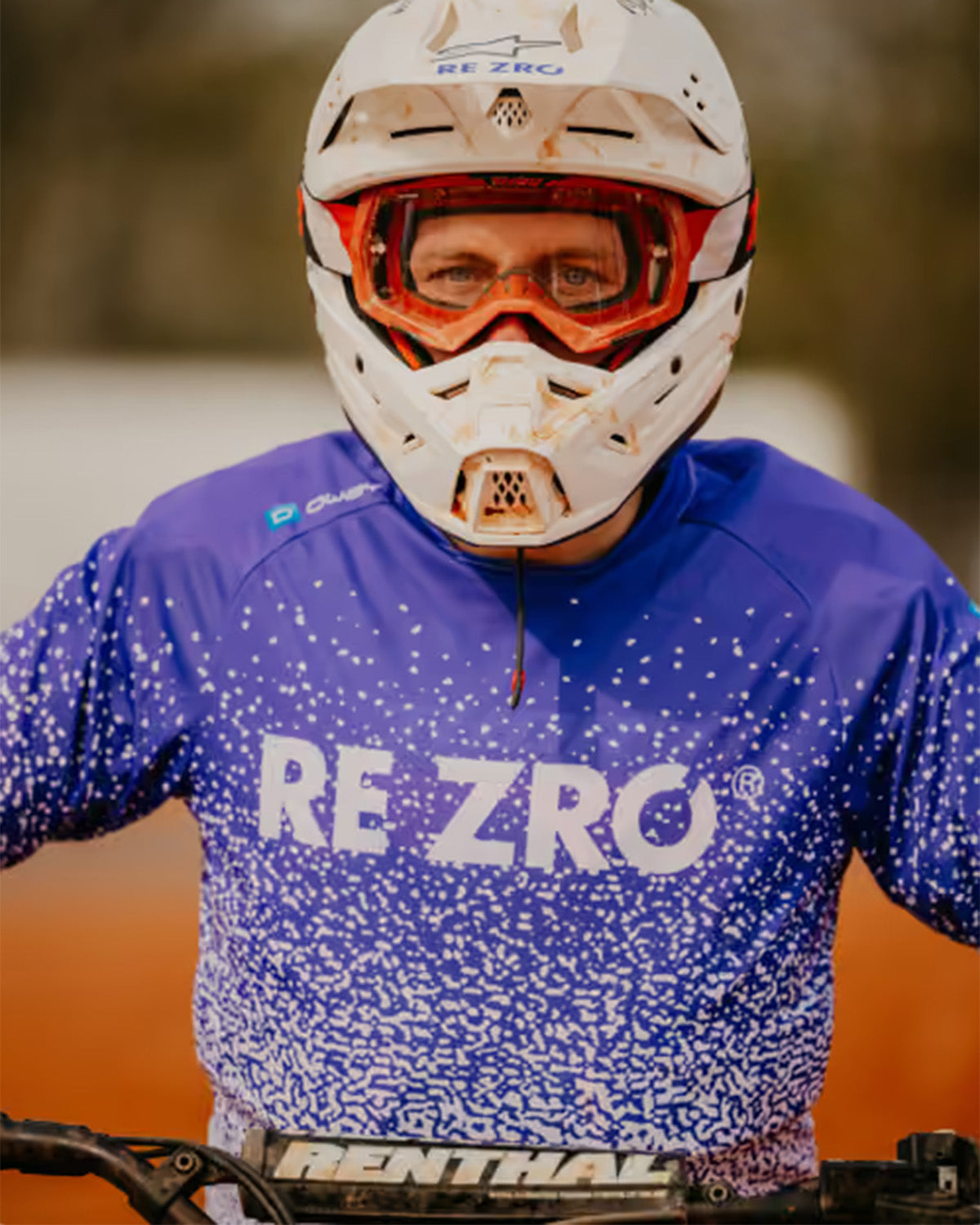
Modern protectors are soft and flexible while you move and absorb energy when they are hit. Well-known names are D3O® and RE ZRO®. From the 2027 collection, our garments ship with RE ZRO® Flat Level 2 protectors. Why we are making the change.
Don't leave the back protector pocket empty
Many jackets have a pocket for a back protector, but no protector in it. The spine is one of the most vulnerable parts of your body in a crash, so that pocket is worth filling.
- Check the size of the pocket, for example M or L.
- Look for EN 1621-2, ideally Level 2.
- In the riding position, the protector should cover your spine from the shoulder blades to the waist.
Fit is as important as the level
- Elbow protectors should cover the point of the elbow with your arms bent towards the bars.
- Knee protectors should sit on the knee with your legs bent. Height-adjustable pockets help.
- If a protector moves around, the garment is too loose.
What comes with our garments
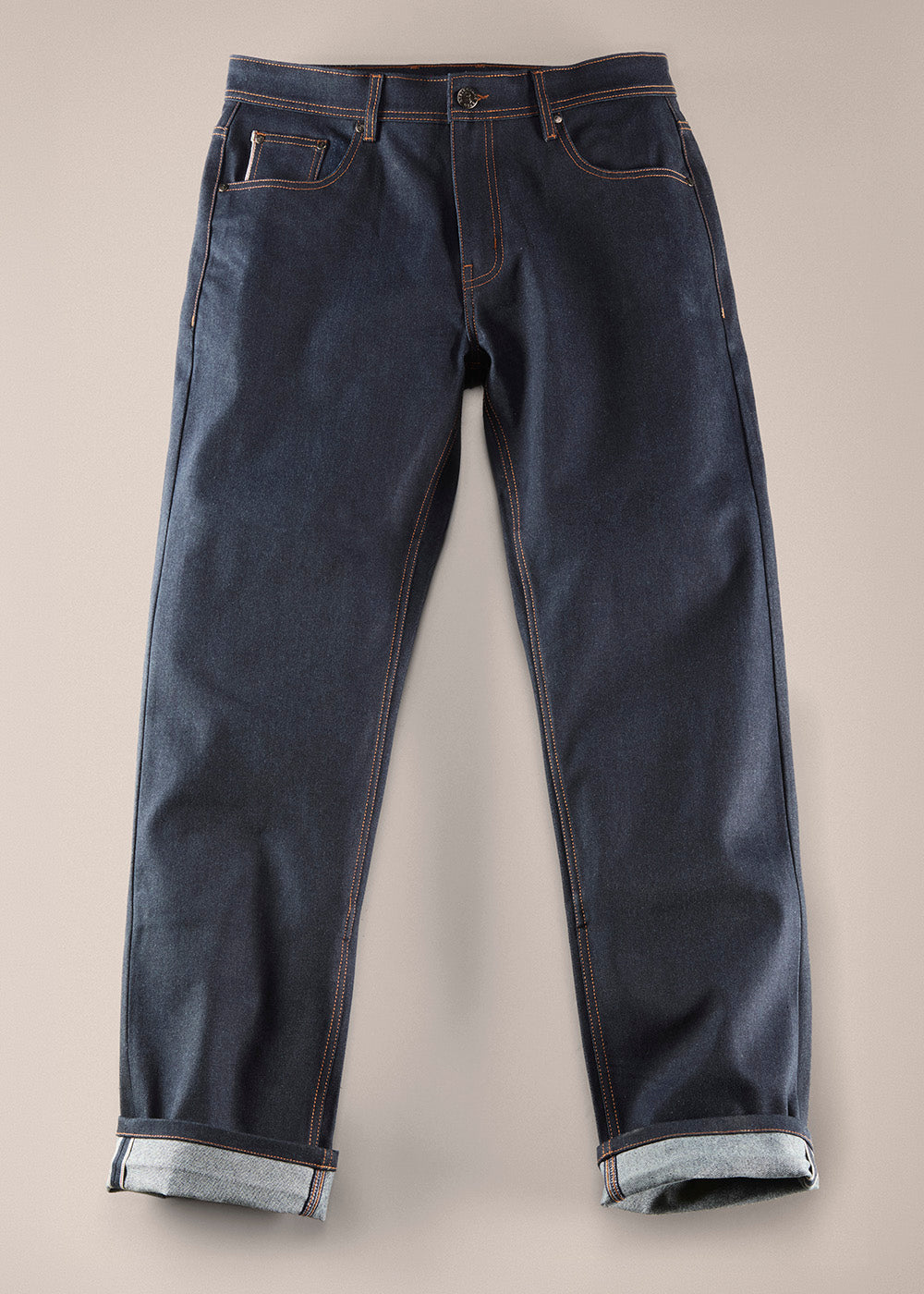
Which protectors are included is listed on each product page. Garments from the 2026 collection ship with D3O® Ghost Level 1 protectors, and jackets include a D3O® Ghost back protector. From the 2027 collection, our garments ship with RE ZRO® Flat Level 2 protectors; jackets keep their back protector pocket, but a back protector is no longer included. New models such as the Klondike Jeans come with RE ZRO® Flat Level 2 protectors from the start.
Questions riders ask us
Is Level 1 enough?
Level 1 is certified protection. Level 2 lets less force through and protects more.
Can I upgrade the protectors in my jacket?
Often yes, if the new protector fits the pocket. Check size and shape before you buy.
Do protectors need replacing?
After a crash or a hard knock, check them and replace them if they are damaged or deformed. Follow the manufacturer's instructions.
Do I take them out before washing?
Yes. Remove them before washing and put them back in the right position afterwards.
In one sentence
Check the EN 1621 level, fill the back protector pocket, and make sure every protector stays where it should when you ride.